Material Honesty: Why We Let Materials Be Themselves
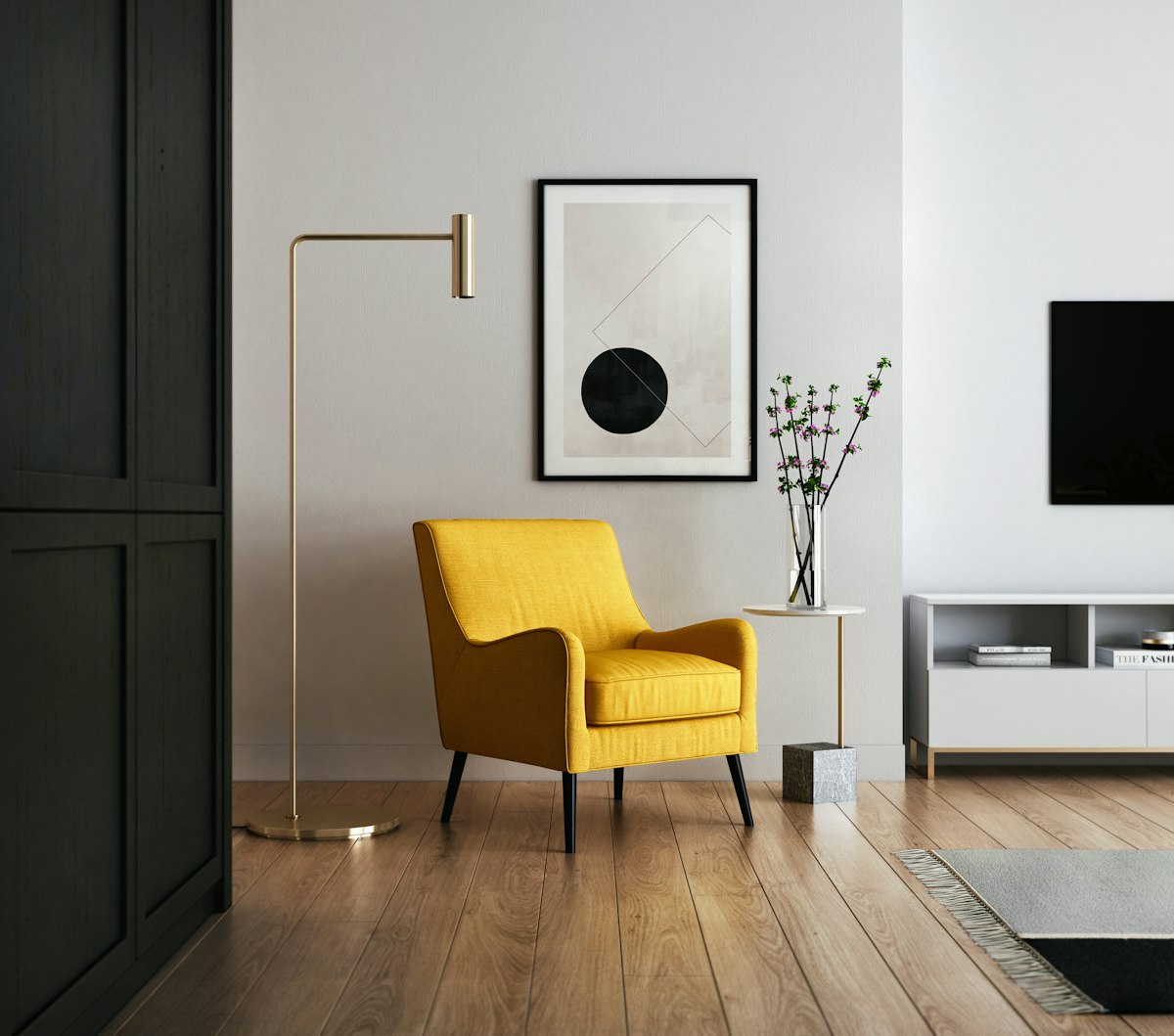
Stone that looks like stone. Wood that shows its grain. Linen that wrinkles. The most enduring interiors celebrate materials for exactly what they are.
There is a certain dishonesty in design that tries to make cheap materials look expensive, or synthetic surfaces mimic natural ones. The eye always knows. And more importantly, after years of living with it, so does the soul.
What Material Honesty Means
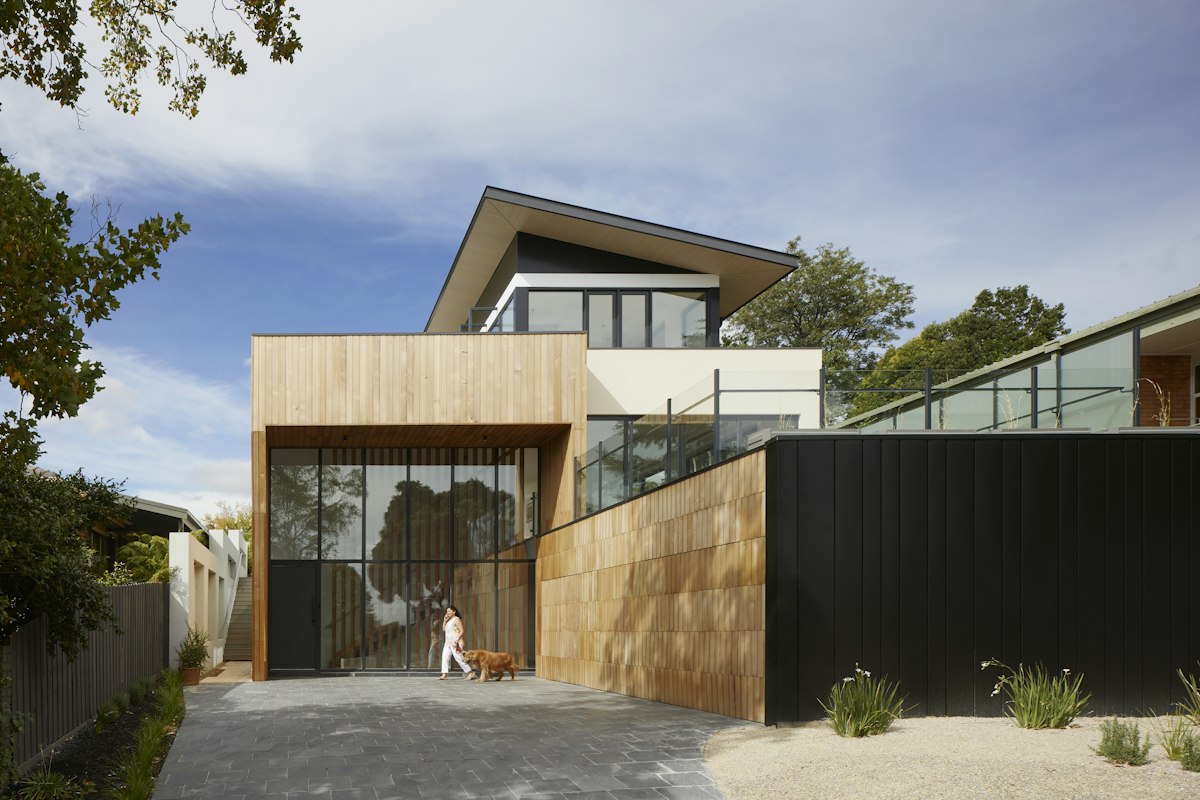
Material honesty is a commitment to using materials in ways that reveal rather than conceal their nature. Exposed concrete that shows its formwork. Teak that develops a silver patina outdoors. Linen curtains that pool on the floor and catch the light imperfectly.
These are not accidents or oversights. They are choices — the understanding that a material's authentic character is always more beautiful than a perfect imitation of something else.
The Longevity Argument
Honest materials age well. Marble develops a patina. Brass tarnishes to a warm brown. Oak deepens in colour. These changes are not damage — they are the material recording time, becoming more itself.
Synthetic materials do the opposite. They fade uniformly, chip at edges, and eventually look like exactly what they are: an imitation of something better.
A Note on Budget
Material honesty does not require expensive materials. A simple whitewashed plaster wall is honest — it makes no pretense. A concrete floor, sealed and polished, is honest. The commitment is to authenticity, not cost.
At ARDS, we have designed beautiful spaces using local stone, handmade tiles, and reclaimed wood. The thread that connects them is not price — it is integrity.