The Art of Negative Space in Interior Design
In a world obsessed with filling every corner, the most sophisticated spaces breathe. Here is why restraint is the ultimate luxury in interior design.
There is a quiet confidence in a room that knows what to leave out. Negative space — the intentional absence of objects — is one of the most misunderstood tools in an interior designer's vocabulary. It is not emptiness. It is breath.
Why Less Creates More
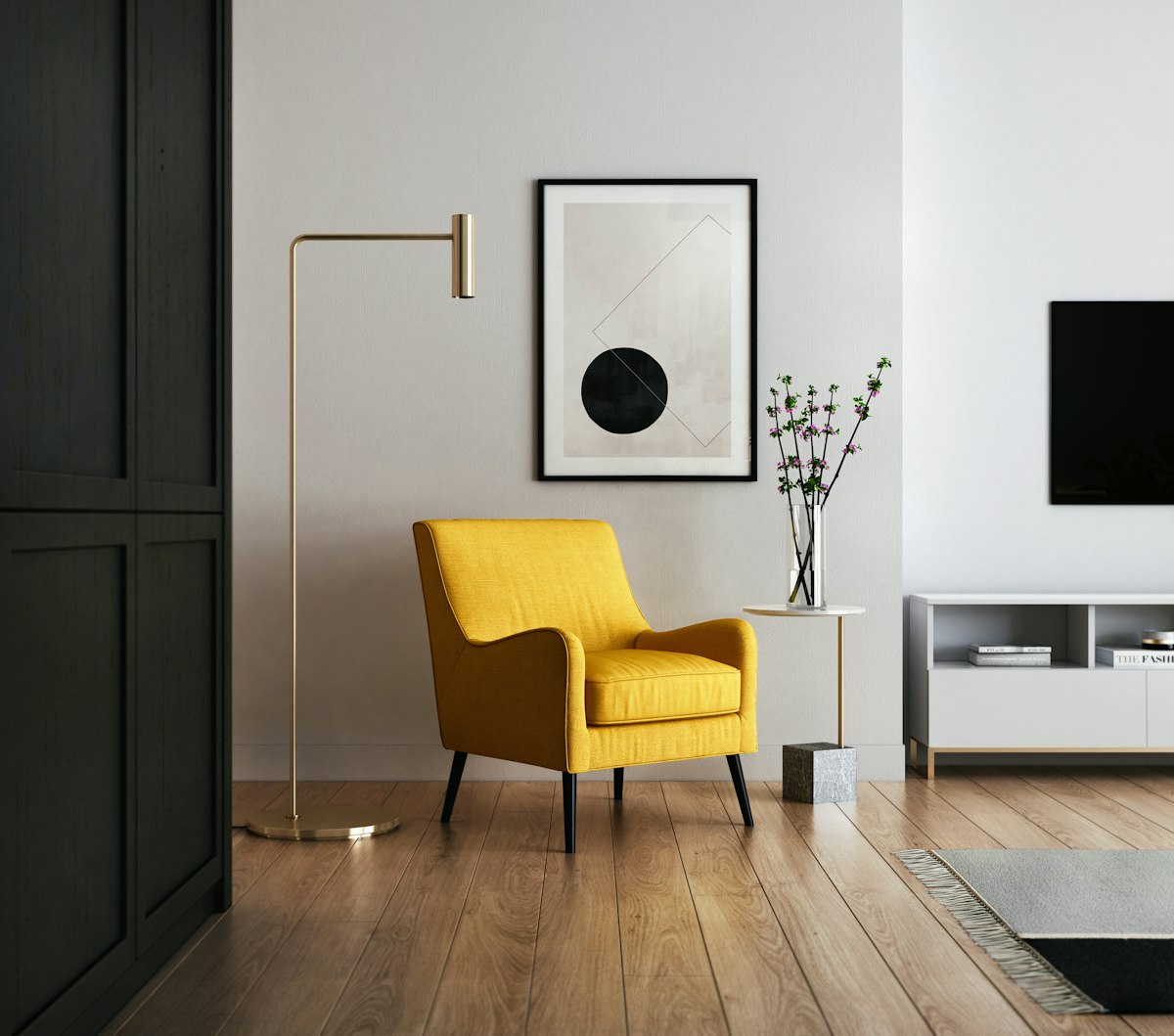
When every surface is occupied, the eye has nowhere to rest. A thoughtfully sparse room directs your attention — to a single sculpture, a view through a window, the grain of a stone floor. The objects that remain become more meaningful precisely because they are not competing for attention.
In Japanese design philosophy, this concept is called ma — the pause between notes that makes music possible. The same principle applies to space. A hallway with nothing on its walls is not unfinished. It is an invitation to move through it with intention.
How We Apply It at ARDS
Every project begins with subtraction before addition. We ask: what must be here? What earns its place? A console table that serves no function is simply visual noise. But a single ceramic piece on a well-proportioned ledge — that is a statement.
Negative space also has a practical dimension. Rooms that breathe feel larger, calmer, and easier to live in. They adapt as your life changes. They do not date.
Starting Points for Your Own Space
Begin by removing one thing from your most cluttered surface. Live with the absence for a week. Notice what you miss and what you do not. That exercise will tell you more about your space than any mood board.
Restraint is a practice, not a style. And it is always worth the effort.