Lighting as Architecture: The Layer You Cannot Afford to Ignore
A room without considered lighting is like a painting without a frame. Lighting does not just illuminate — it defines space, sets mood, and shapes how we feel in a room.
Of all the decisions made in an interior project, lighting is the one most likely to be left until the end — and the one that most transforms the result. Get it wrong and even the most beautiful furniture looks flat. Get it right and an ordinary room becomes extraordinary.
The Three Layers
Ambient lighting is the base layer — general illumination that allows a room to function. It should be warm (2700K-3000K), dimmable, and never the only source of light in a living space.
Task lighting serves specific purposes: reading, cooking, working. It should be positioned to eliminate shadows where you actually work, not where the light looks good.
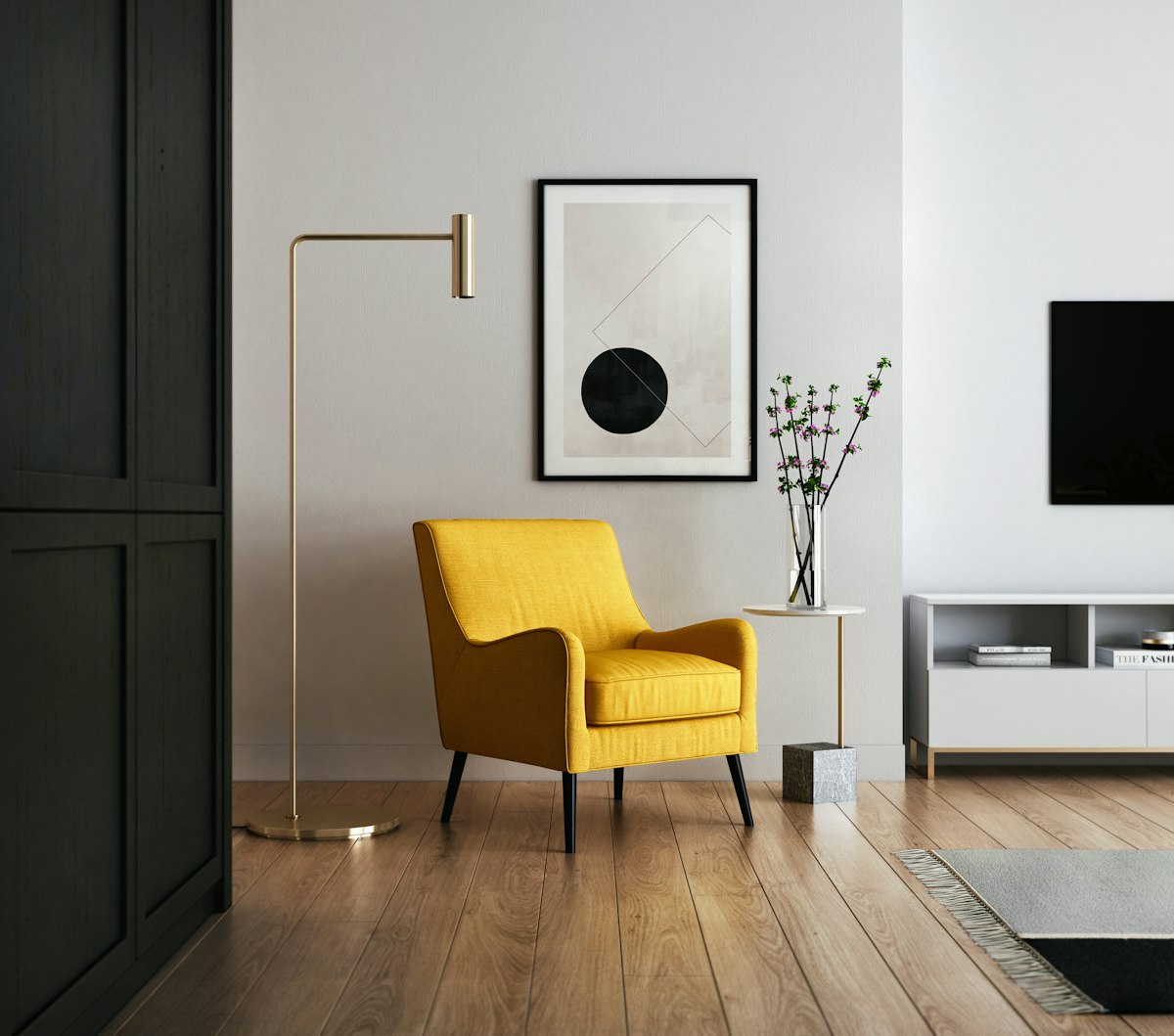
Accent lighting is where personality lives. A picture light over a painting. Concealed strips that wash a textured wall. A table lamp that creates a pool of warmth in a dark corner. These are the lights that make a room feel designed.
The Mistake Everyone Makes
Overhead lighting alone. A single central ceiling fixture that floods a room with flat, undifferentiated light. It eliminates shadow — and shadow is what gives a room depth and drama.
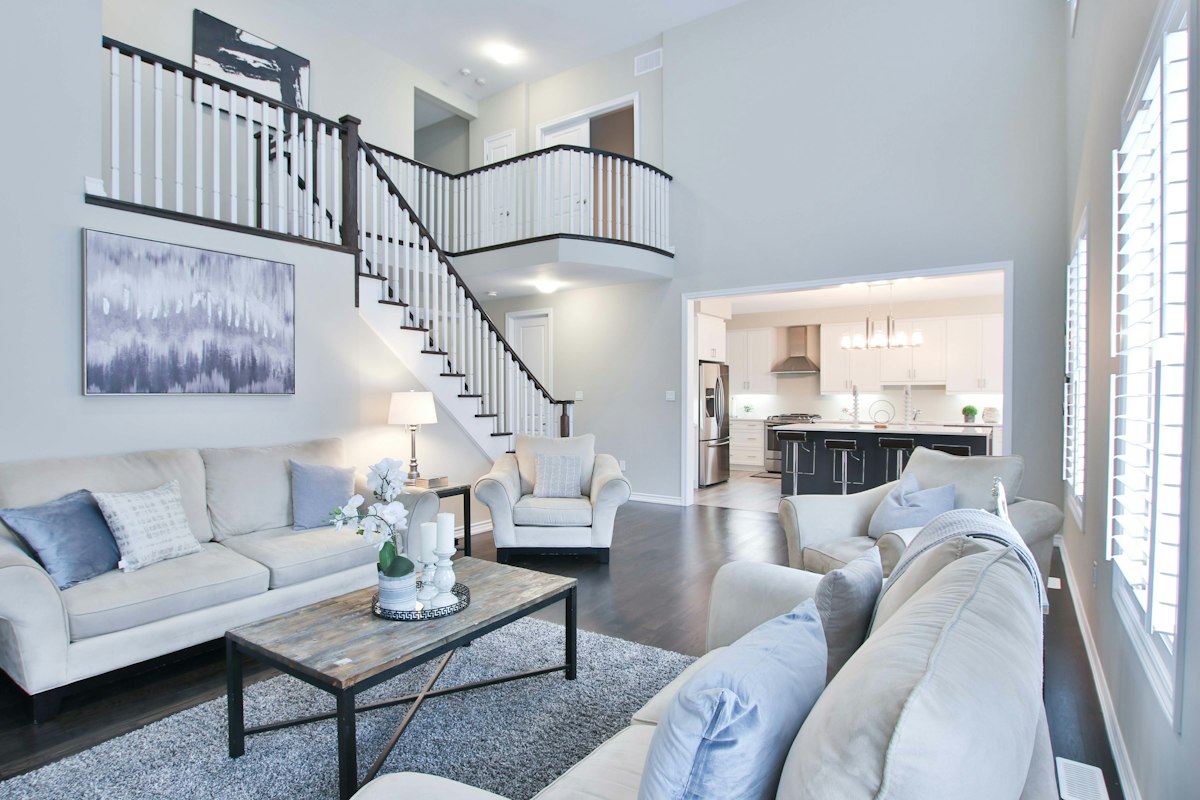
Rooms that feel beautiful in real life almost always have multiple light sources at different heights, creating layers of light and shadow that change through the day and evening.
Natural Light First
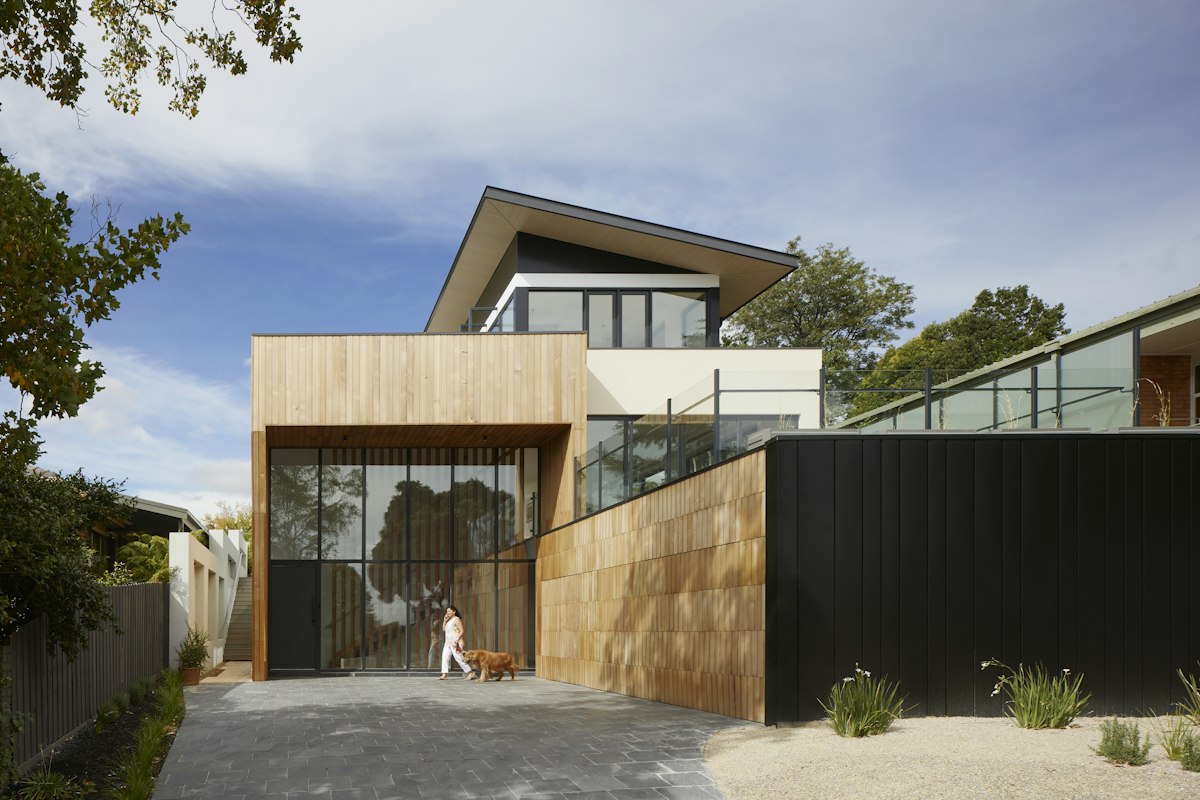
Before any fixture is chosen, understand how natural light moves through the space. North-facing rooms need warm artificial light to compensate. East-facing rooms are for morning activities. West light is golden and flattering. South light is consistent and generous.
Design with the sun first, then layer artificial light around it.