Designing for How You Actually Live
The most beautiful room in the world fails if it does not work for the people inside it. Good design begins not with aesthetics but with honest observation of daily life.
Every client we meet has a version of their ideal home that exists in their imagination — often assembled from Instagram saves, Pinterest boards, and interiors they have admired in hotels or at friends' homes. Our first job is not to build that imaginary home. It is to understand the real one.
The Briefing as Discovery
The most important conversation in any project is the briefing. Not the moodboard review or the material selection — the first conversation, where we ask questions that have nothing to do with design:
What time do you wake up? Where do you eat breakfast? Do your children do homework at the kitchen counter? Where do shoes actually land when you walk in the door? Where do you sit when you want to be alone?
These questions reveal the real architecture of a life — and good design serves that architecture first.
The Gap Between Aspiration and Reality
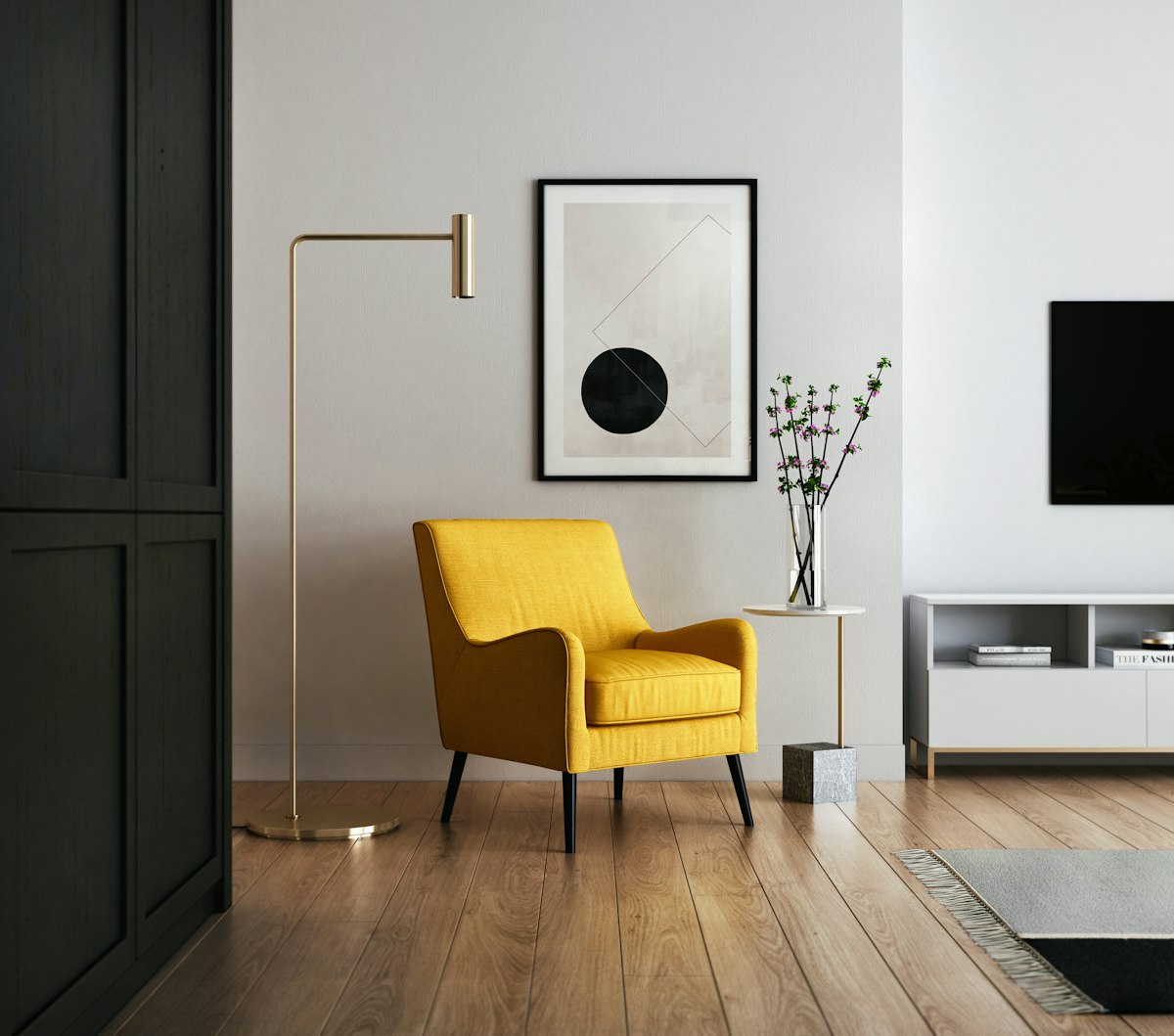
Many clients aspire to a formal dining room. Very few actually host formal dinners. Many aspire to a reading nook. Whether they actually read in it depends on where the light falls and whether the seat is genuinely comfortable — not just beautiful.
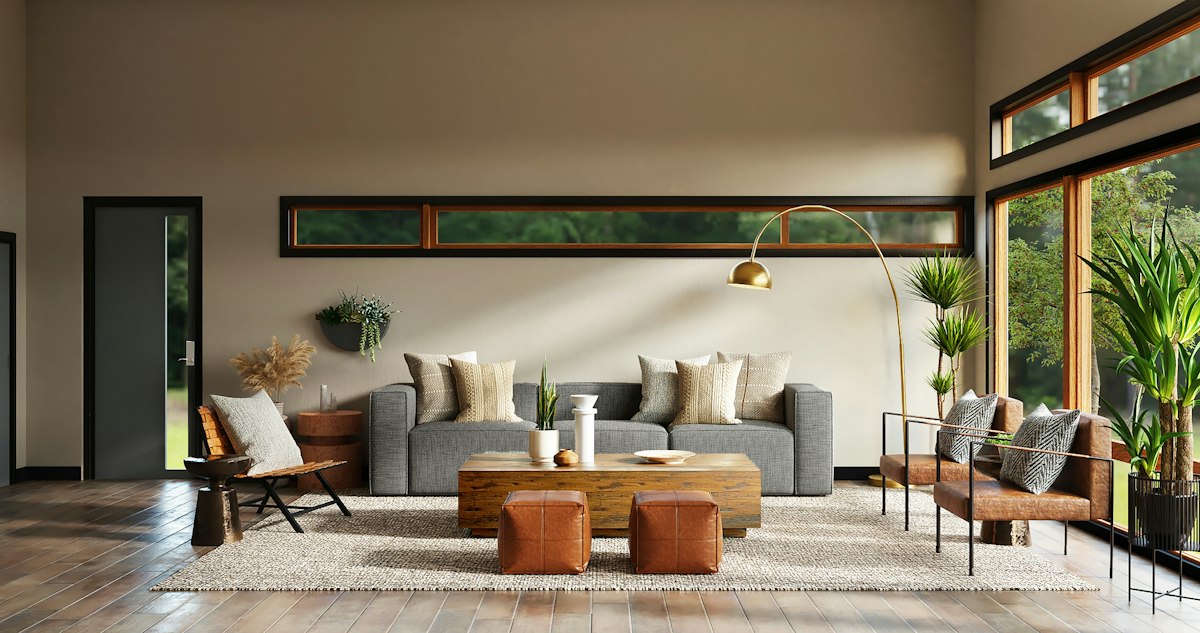
Our job is to hold both the aspiration and the reality, and find the design that serves them both. A dining room that is beautiful enough for the dinner party but relaxed enough for Tuesday breakfast.
Designing for Change
The best interiors anticipate that life will change. A child's bedroom that can grow with them. A home office that can become a guest room. Storage that is generous enough to absorb the accumulation of years.
Timeless design is not about a particular aesthetic. It is about spaces that remain useful and beautiful as the people inside them change.